

About Course
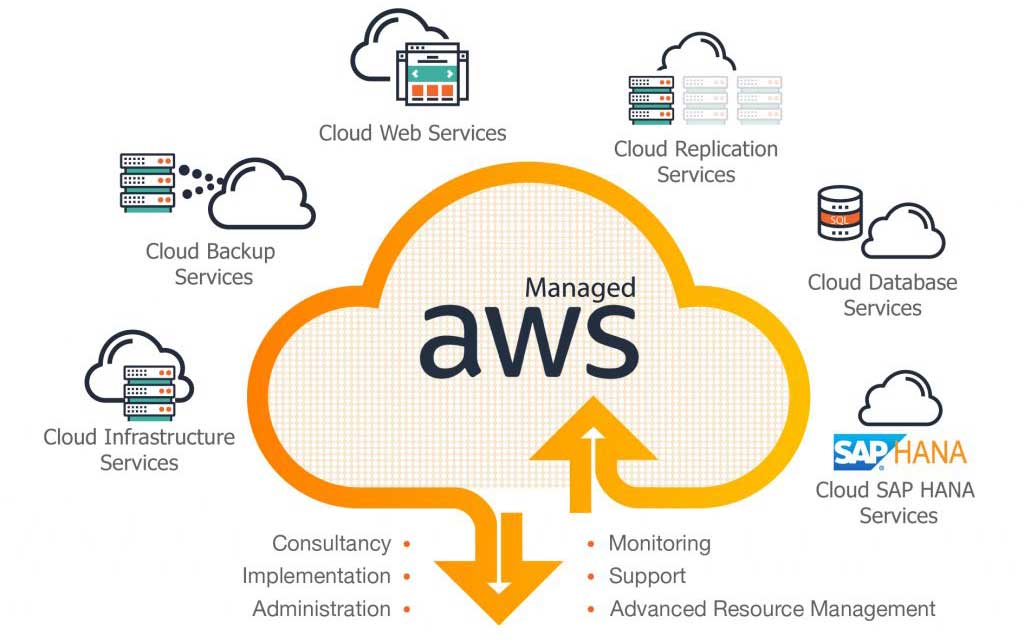
AWS Cloud Computing refers to the suite of cloud services provided by Amazon Web Services (AWS), which allows individuals and organizations to run applications, store data, and manage IT infrastructure without the need to own or manage physical hardware. AWS is one of the largest cloud platforms in the world, offering a wide range of services that cover computing power, storage, databases, machine learning, networking, security, and more.
Key Features of AWS Cloud Computing:
-
On-Demand Compute Power:
-
AWS provides Elastic Compute Cloud (EC2) instances, allowing you to rent virtual machines based on your needs. You can scale up or down based on traffic demands, which means you only pay for what you use.
-
-
Storage and Databases:
-
AWS offers highly scalable storage solutions like S3 (Simple Storage Service) for object storage, and EBS (Elastic Block Store) for block storage.
-
For databases, AWS provides services such as RDS (Relational Database Service) for SQL-based systems and DynamoDB for NoSQL databases.
-
-
Scalability and Flexibility:
-
AWS enables automatic scaling with services like Auto Scaling and Elastic Load Balancing (ELB). This means your infrastructure can automatically adjust to handle changes in traffic.
-
-
Global Reach:
-
AWS has a massive global presence with data centers in various regions worldwide. This allows businesses to deploy applications closer to users, reducing latency and improving performance.
-
-
Security:
-
AWS offers a wide range of security tools, including Identity and Access Management (IAM) for managing user permissions and Encryption for securing data both at rest and in transit.
-
-
Networking:
-
AWS provides robust networking features like VPC (Virtual Private Cloud), allowing users to create isolated networks within the cloud and securely connect on-premise resources.
-
-
Machine Learning and Analytics:
-
AWS offers specialized services for machine learning (e.g., SageMaker) and analytics (e.g., Redshift for data warehousing and Athena for querying data).
-
-
Cost-Effective:
-
AWS follows a pay-as-you-go pricing model, which helps businesses reduce upfront costs and scale as their needs grow. There are also cost management tools, such as AWS Cost Explorer, to track usage and optimize expenses.
-
-
DevOps Tools:
-
AWS provides tools for continuous integration and deployment (CI/CD), such as AWS CodePipeline, AWS CodeBuild, and AWS CodeDeploy, which make it easier to automate development workflows.
-
-
Serverless Computing:
-
With services like AWS Lambda, developers can run code without provisioning or managing servers. This serverless model reduces complexity and makes it easier to scale applications.
-
Benefits of AWS Cloud Computing:
-
Reliability: AWS provides high uptime and redundancy across different regions, ensuring your application is always available.
-
Scalability: You can scale your infrastructure up or down depending on demand, without worrying about hardware limitations.
-
Cost Savings: With its pay-as-you-go model, you only pay for the resources you actually use, making it cost-effective.
-
Speed and Agility: Developers can quickly provision resources and deploy applications, which speeds up time-to-market.
-
Security and Compliance: AWS follows strict security protocols and offers a variety of compliance certifications, making it suitable for industries with stringent data privacy requirements.
Use Cases of AWS Cloud Computing:
-
Web Hosting and Content Delivery: Host websites, blogs, or web apps and ensure fast content delivery with Amazon CloudFront.
-
Big Data Analytics: Analyze large datasets using AWS Glue and Amazon EMR (Elastic MapReduce).
-
Machine Learning: Build machine learning models and deploy them using Amazon SageMaker.
-
Backup and Disaster Recovery: Store backups on Amazon S3 and set up disaster recovery solutions using AWS Storage Gateway.
-
Mobile and IoT Apps: Build and scale mobile applications or IoT systems using various AWS services like AWS IoT Core.
In short, AWS is a powerful and flexible cloud computing platform that can support a wide range of applications, from small startups to large enterprises, offering everything from infrastructure management to advanced data analytics and AI services.
Student Ratings & Reviews