

Sale!

AWS Cloud Computing

Original price was: ₹25,000.00.Current price is: ₹23,000.00.

Category:

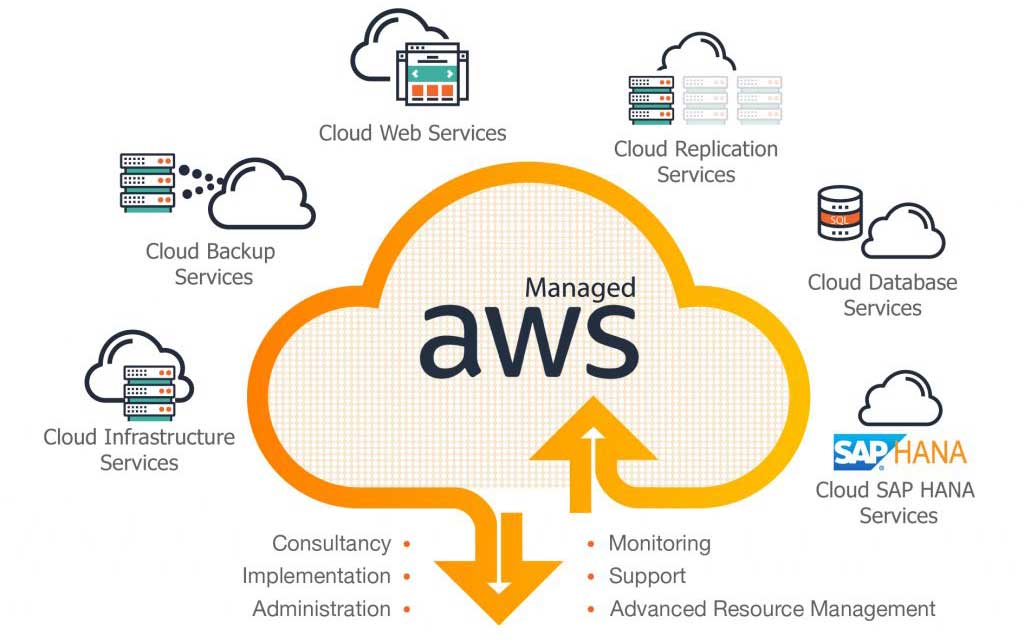
AWS Cloud Computing refers to the suite of cloud services provided by Amazon Web Services (AWS), which allows individuals and organizations to run applications, store data, and manage IT infrastructure without the need to own or manage physical hardware. AWS is one of the largest cloud platforms in the world, offering a wide range of services that cover computing power, storage, databases, machine learning, networking, security, and more.

Key Features of AWS Cloud Computing:

On-Demand Compute Power:

AWS provides Elastic Compute Cloud (EC2) instances, allowing you to rent virtual machines based on your needs. You can scale up or down based on traffic demands, which means you only pay for what you use.

Storage and Databases:

AWS offers highly scalable storage solutions like S3 (Simple Storage Service) for object storage, and EBS (Elastic Block Store) for block storage.For databases, AWS provides services such as RDS (Relational Database Service) for SQL-based systems and DynamoDB for NoSQL databases.

Scalability and Flexibility:

AWS enables automatic scaling with services like Auto Scaling and Elastic Load Balancing (ELB). This means your infrastructure can automatically adjust to handle changes in traffic.

Global Reach:

AWS has a massive global presence with data centers in various regions worldwide. This allows businesses to deploy applications closer to users, reducing latency and improving performance.

Security:

AWS offers a wide range of security tools, including Identity and Access Management (IAM) for managing user permissions and Encryption for securing data both at rest and in transit.

Networking:

AWS provides robust networking features like VPC (Virtual Private Cloud), allowing users to create isolated networks within the cloud and securely connect on-premise resources.

Machine Learning and Analytics:

AWS offers specialized services for machine learning (e.g., SageMaker) and analytics (e.g., Redshift for data warehousing and Athena for querying data).

Cost-Effective:

AWS follows a pay-as-you-go pricing model, which helps businesses reduce upfront costs and scale as their needs grow. There are also cost management tools, such as AWS Cost Explorer, to track usage and optimize expenses.

DevOps Tools:

AWS provides tools for continuous integration and deployment (CI/CD), such as AWS CodePipeline, AWS CodeBuild, and AWS CodeDeploy, which make it easier to automate development workflows.

Serverless Computing:

With services like AWS Lambda, developers can run code without provisioning or managing servers. This serverless model reduces complexity and makes it easier to scale applications.

Benefits of AWS Cloud Computing:

  • Reliability: AWS provides high uptime and redundancy across different regions, ensuring your application is always available.
  • Scalability: You can scale your infrastructure up or down depending on demand, without worrying about hardware limitations.
  • Cost Savings: With its pay-as-you-go model, you only pay for the resources you actually use, making it cost-effective.
  • Speed and Agility: Developers can quickly provision resources and deploy applications, which speeds up time-to-market.
  • Security and Compliance: AWS follows strict security protocols and offers a variety of compliance certifications, making it suitable for industries with stringent data privacy requirements.

Use Cases of AWS Cloud Computing:

  • Web Hosting and Content Delivery: Host websites, blogs, or web apps and ensure fast content delivery with Amazon CloudFront.
  • Big Data Analytics: Analyze large datasets using AWS Glue and Amazon EMR (Elastic MapReduce).
  • Machine Learning: Build machine learning models and deploy them using Amazon SageMaker.
  • Backup and Disaster Recovery: Store backups on Amazon S3 and set up disaster recovery solutions using AWS Storage Gateway.
  • Mobile and IoT Apps: Build and scale mobile applications or IoT systems using various AWS services like AWS IoT Core.In short, AWS is a powerful and flexible cloud computing platform that can support a wide range of applications, from small startups to large enterprises, offering everything from infrastructure management to advanced data analytics and AI services.

Description

About Course

  • If You Want To Take This Course  Online , The Course fees Will be 25000 rupee.
  • Course Duration – 8 months.
  • (Strictly in MONTHLY system) and ONE-month advance, which will be, adjust in the last month of the course.
  • Small group of Study (At-Least 10 students & At-most 15 students in ONE group).
  • The Course Will be taken 2 Days/Week and  2 Hours /Day.

AWS Overview
o   Overview of Cloud Computing
o   Identify the Main Events in the History of AWS
o   Various AWS Platforms
o   Understand AWS Global Infrastructure and Security
o   Different AWS Services

Identity Access Management- IAM
o   Overview of Identity and Access Management (IAM)
o   IAM Features
o   Elements of IAM: Identities, Policies, and Resources
o   Identify Key IAM Terms and Policy Document
o   IAM as Single Sign On (SSO)
o   IAM Key Takeaways

Elastic Cloud Compute- EC2
o   Overview of Elastic Cloud Computing
o   Identify EC2 Benefits and Related Terminology
o   EC2 Instance Types and Resource Usage
o   EC3 Instance Types, Families, and Purchasing Options
o   Difference Between Root Volume in Instance Store and EBS
o   Overview of Amazon Machine Images
o   Create IAM Roles with ECS
o   Various Security Groups
o   Elastic Load Balancer and Auto Scaling in EC2

Amazon Simple Storage Service (S3)
o   Basic Concept and Overview of Simple Storage Service (S3)
o   S3 Buckets and Identify Different Storage Classes in S3
o   S3 Data Consistency Model
o   Overview of Version Control and Lifecycle Management
o   Definition and Creating Buckets, ACLs, and User Policies
o   Host a Static Website on S3
o   Work with Cross Origin Resource Sharing

DB Services
o   Basic Concept of Relational Database Service
o   Overview and Characteristics of RDS
o   Online Transaction Processing
o   Features and Availability of DB Instance
o   RDS Database Failover Process
o   Overview of ReadReplicas and DB Instance Backups
o   Security Groups and Working with DB
o   Difference Between Aurora and Other DB Engines
o   Overview of Amazon ElastiCache and Redshift

Dynamo DB
o   Basic Concepts and Overview of DynamoDB
o   Core components of DynamoDB
o   DynamoDB Primary and Secondary Indexes
o   Purpose of Query and Scan Operations
o   Management of Capacity and Throughput in DynamoDB
o   Overview of Read/Write Operations
o   DynamoDB Access Control and Data Migration
o   Web Identity Federation Using Third Party Identity Providers

Application Services
o   Basic Concepts and Overview of SQS
o   SQS Architecture and Features
o   Queue and Messages Services for SQS
o   Management of SQS Visibility Timeout
o   SQS Message Lifecycle, Dead Letter with Delay Queues
o   SQS Long Polling and Important Facts
o   SNS Services and its Core Components
o   Compare SNS and SQS
o   SWF Services and its Core Components
o   Compare SWF with SQS

Management Tools, Lambda and Kinesis
o   AWS CloudFormation Features and Template
o   AWS Cloud Formation Stacks and How to Work With Them
o   Elastic Beanstalk Overview and its Core Components
o   Elastic Beanstalk Architecture and supporting Platforms
o   Manage Beanstalk Environments
o   Manage Lambda Environments and its Features
o   Overview of Kinesis and Kinesis Client Library
o   Cloud Formation, Lambda, and Kinesis Key Takeaways

AWS Software Development Kit and Command Line Interface
o   Overview of AWS SDK (Software Development Kit)
o   Different Programming Languages SDK Supports
o   Command Line Interface Installation and Setup
o   Command Line Interface Service Operations

Amazon DNS Service Route 53
o   Basic Concepts of Route 53 and its Overview
o   Compare Public and Private Hosted Zones
o   DNS Resource Record Sets
o   Various DNS Routing Policies

Virtual Private Cloud- VPC
o   Overview of VPC
o   Types of Subnets and Security Groups
o   Creating and Usage of VPC Wizard
o   Manually Configuring a VPC
o   Elastic IP for an Instance While Creating a VPC
o   Routing Table and Route Priority for VPC
o   Compare NACL with Security Groups

AWS Security Features
o   AWS Security Features and its Overview
o   Various Shared Responsibility Models
o   AWS Compliance Program Difference Between Physical and Environmental Security
o   Business Continuity Management
o   Network Security and AWS Access Management
o   AWS Trusted Advisor Security Service Checks

CloudFront and CloudWatch
o   Introduction to CloudFront
o   Introduction to CloudWatch

Reviews

There are no reviews yet.

Be the first to review “AWS Cloud Computing”

Your email address will not be published. Required fields are marked *